01 · The music came first

The track answered the ending

HARVEST began as a different film — and was vetoed by its own director because the story fought the music. The house rule that came out of that veto rebuilt this film in a single day: the track leads, and the hardest story question is answered by measurement, not debate.

The open question was the ending: does the soldier come home alive, or is the walk his crossing into Elysium? The chosen track was measured with an audio loudness analysis, and its shape settled it. The piece does not shatter — it settles: a long high plateau, one late swell, then sixteen seconds of graceful letting-go into silence. A catastrophe ending needs a cliff in the music. There is no cliff. He comes home.

“I'm thinking A might be more appropriate for this one.”The director choosing the Return — after the arc ruled out the fall

The measured arc — “The Timing Is Crucial” (Anna Dager, 3:32)

TimeMovementWhat it does
0:00–0:08EmergenceNear-silence, first big rise
0:08–0:55The bedHolds, one breath-dip ~0:30
0:56–1:30First ascentTwo steps to a first summit
1:50The collapseThe one sudden retreat
2:00–2:20RegatheringSteady climb back
2:20–2:50The high plateauPeak of the piece at 2:42
2:50–3:06The late swellOne last rise
3:08–3:24The settling16 seconds of letting go
3:26–3:32The fadeGentle dissolve — no cliff
02 · The story

The walk and the war

Dictated in one pass on August 24: a man walking the wheat, touching the tops of the grain, his family at the field's edge — intercut with the war he left them for.

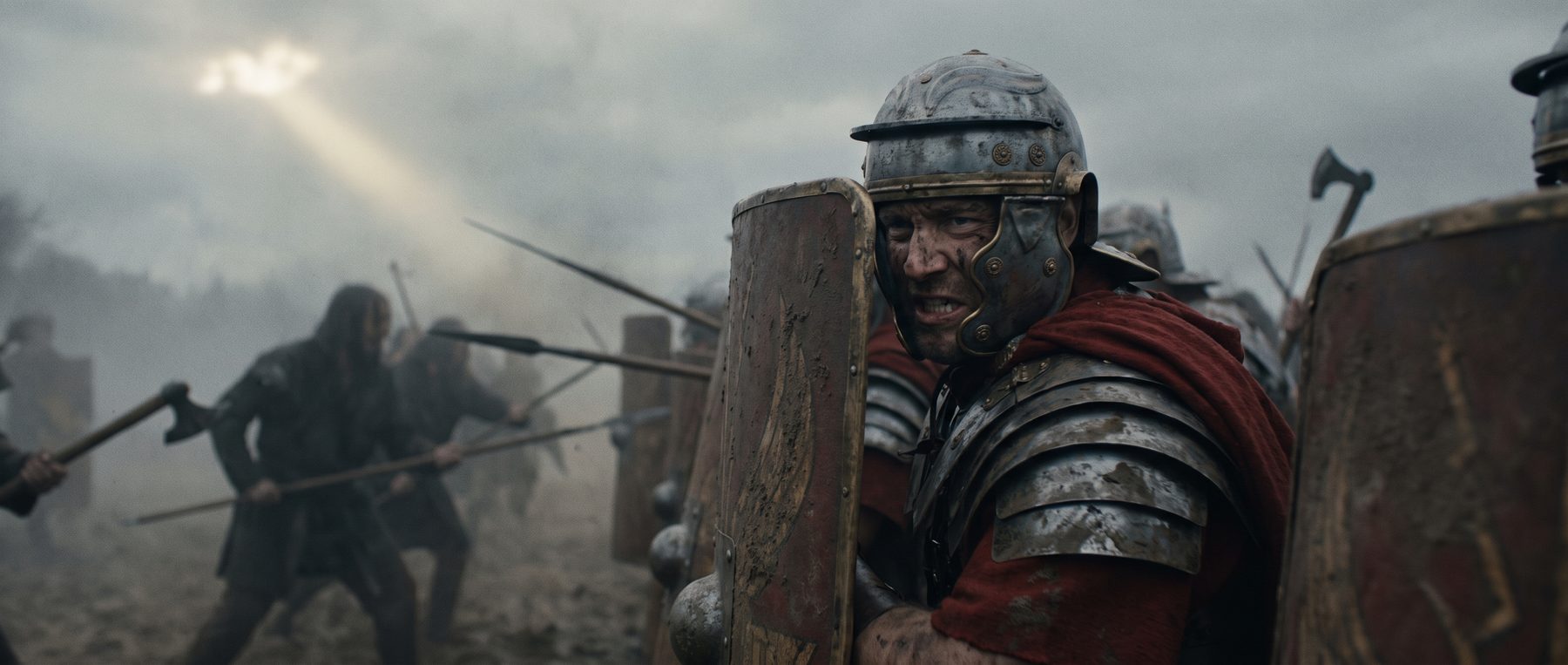
Two strands, cut against each other. PEACE: Marcus Varro crosses his own field at last light, armor carried, hand on the wheat. WAR: the shield wall in the northern mud — impact, dust, faces, never gore. The cuts to the war get shorter as the track climbs; the last one dies mid-swing at the final swell, unfinished — and only the field remains. She runs. The daughter runs. The helmet drops in the wheat.

Three endings were written — the Return, the Crossing, the Mystery — all sharing the same footage except the final twenty seconds. The music's settle chose the Return; the director agreed. The other two stay archived in the story file, the road not taken on purpose.
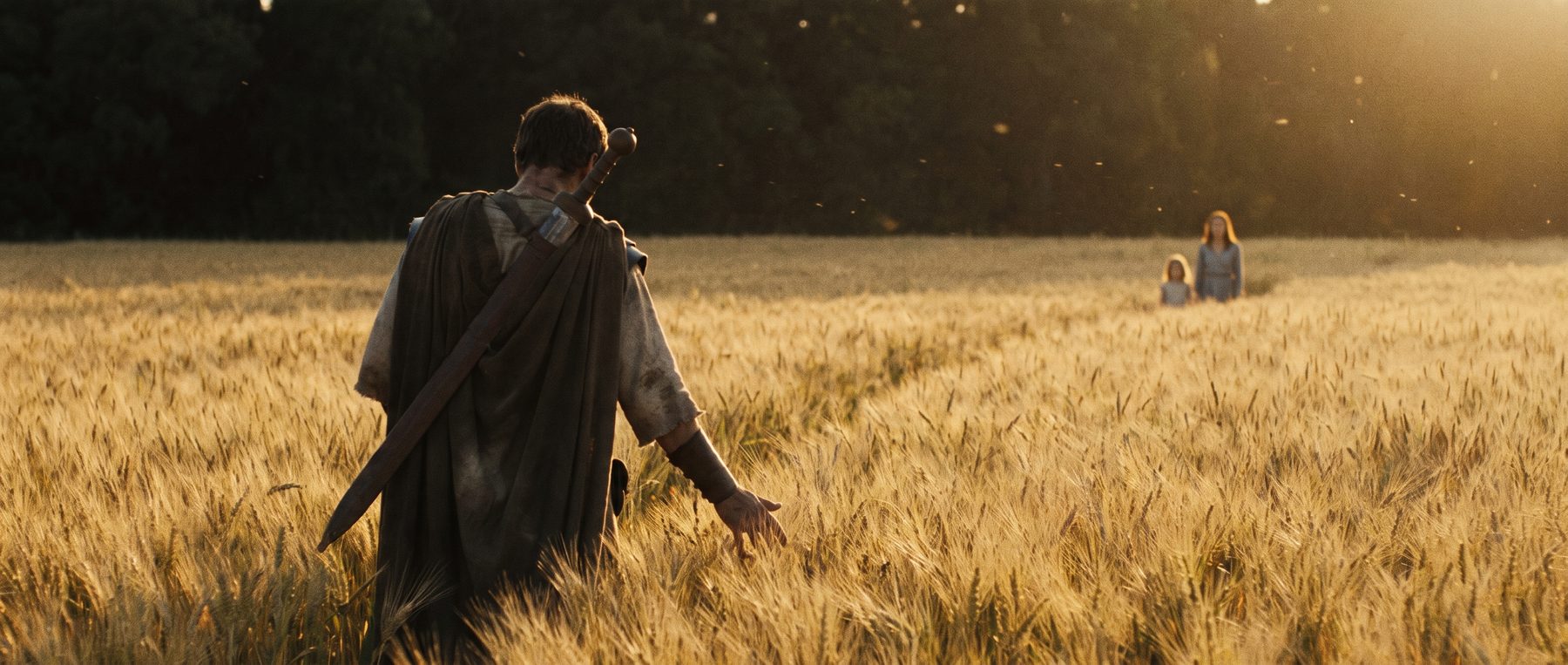

The soldier walking the wheat, hand outstretched, two small figures far ahead.
Approved frameThe walk. First tone frame — approved on sight.
A scarred hand gliding across wheat tops.
Approved frameThe signature insert. The whole film in one image: the soldier's hand and the grain.
03 · The beats

Ten beats against the clock

  1. 0:00–0:08
    Near-silence → rise
    The field wakes

    Black, then the hand insert — knuckles over the wheat tops, seed dust in first light.

  2. 0:08–0:55
    The bed
    The walk

    Marcus from behind, armor carried. At the breath-dip: two tiny figures at the tree line. He stops. Walks on.

  3. 0:56–1:30
    First ascent
    The war intrudes

    First cold cuts, short: the legion line in forest mud, a shield taking impact. Every cut snaps back to gold.

  4. 1:30–1:48
    First summit
    War fullest, first wave

    The longest early war passage — the charge hits the line.

  5. 1:50
    The collapse
    The too-quiet field

    Hard cut to total peace. The wheat barely moves. The figures are closer. The quiet is almost wrong.

  6. 2:00–2:20
    Regathering
    Strands alternate

    Walk, war, walk, war — tightening, the family larger with each return.

  7. 2:20–2:50
    The high plateau · peak 2:42
    The last battle

    The war's climax. At the peak: the blow that almost takes him — he goes down, dust swallows the frame.

  8. 2:50–3:06
    Ease, then the swell
    He rises · the approach

    Out of the white: the field. He is close. At the swell — one last war flash, the final enemy swing —

  9. 3:08–3:24
    The settling
    The Return

    — and it dies mid-swing, gone. Only the field. Sabina runs. Aurelia runs. The helmet drops in the wheat. The embrace — the child's real weight swung up.

  10. 3:26–3:32
    The fade
    Home

    The three of them small in the gold, the dropped helmet in the foreground wheat. Fade. HARVEST.

04 · The style

The color argument

A golden Roman field and a cold northern war, cut against each other until the field wins.

Roman shield wall under charge in dust.
CanonThe war strand. The Roman lane — chosen over Sparta because this story IS the Roman archetype: the citizen-soldier who returns to his field.
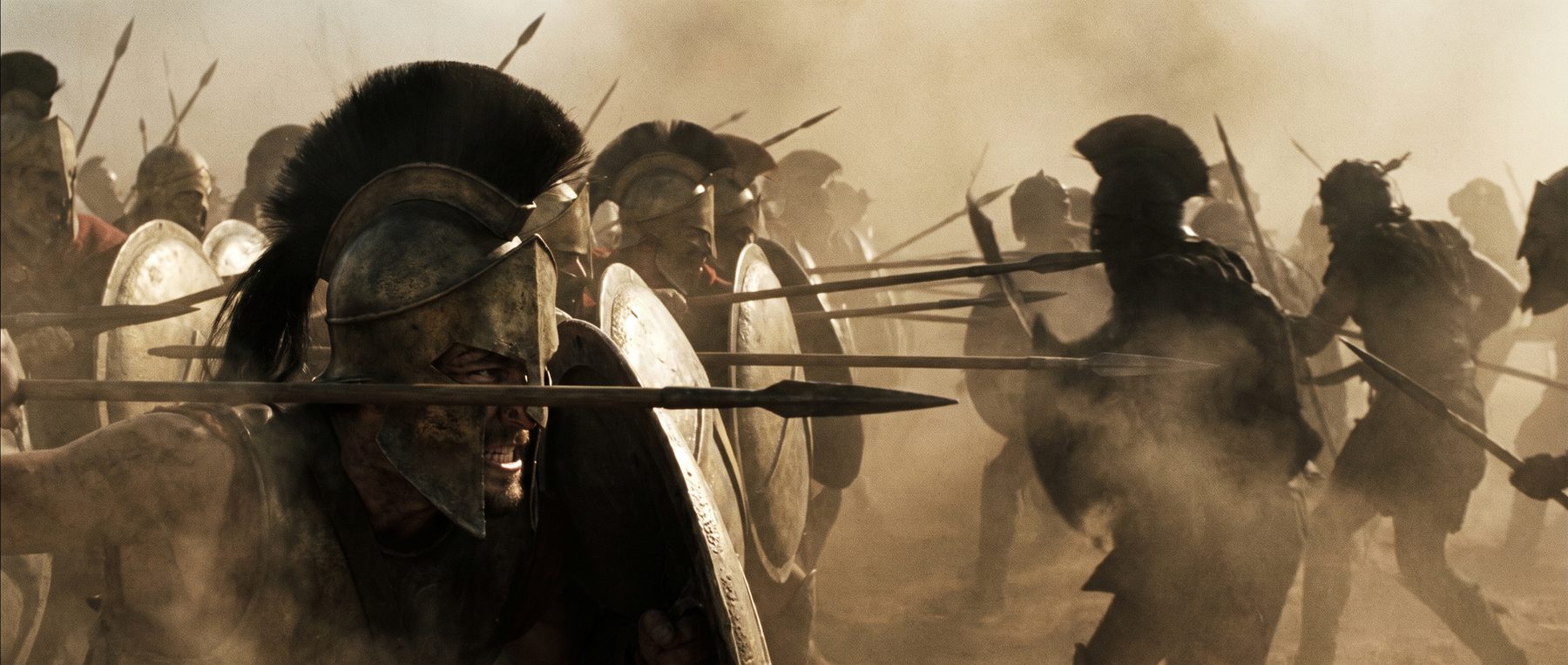
Greek hoplite phalanx in dust.
RetiredThe Spartan lane. Loved, and let go — Spartans were barracks men; helots farmed. The homecoming belongs to Rome.
05 · The casting call

Five cards, three keepers

The cast came from a five-card call: two directions on the soldier, the wife, and the child both ways.

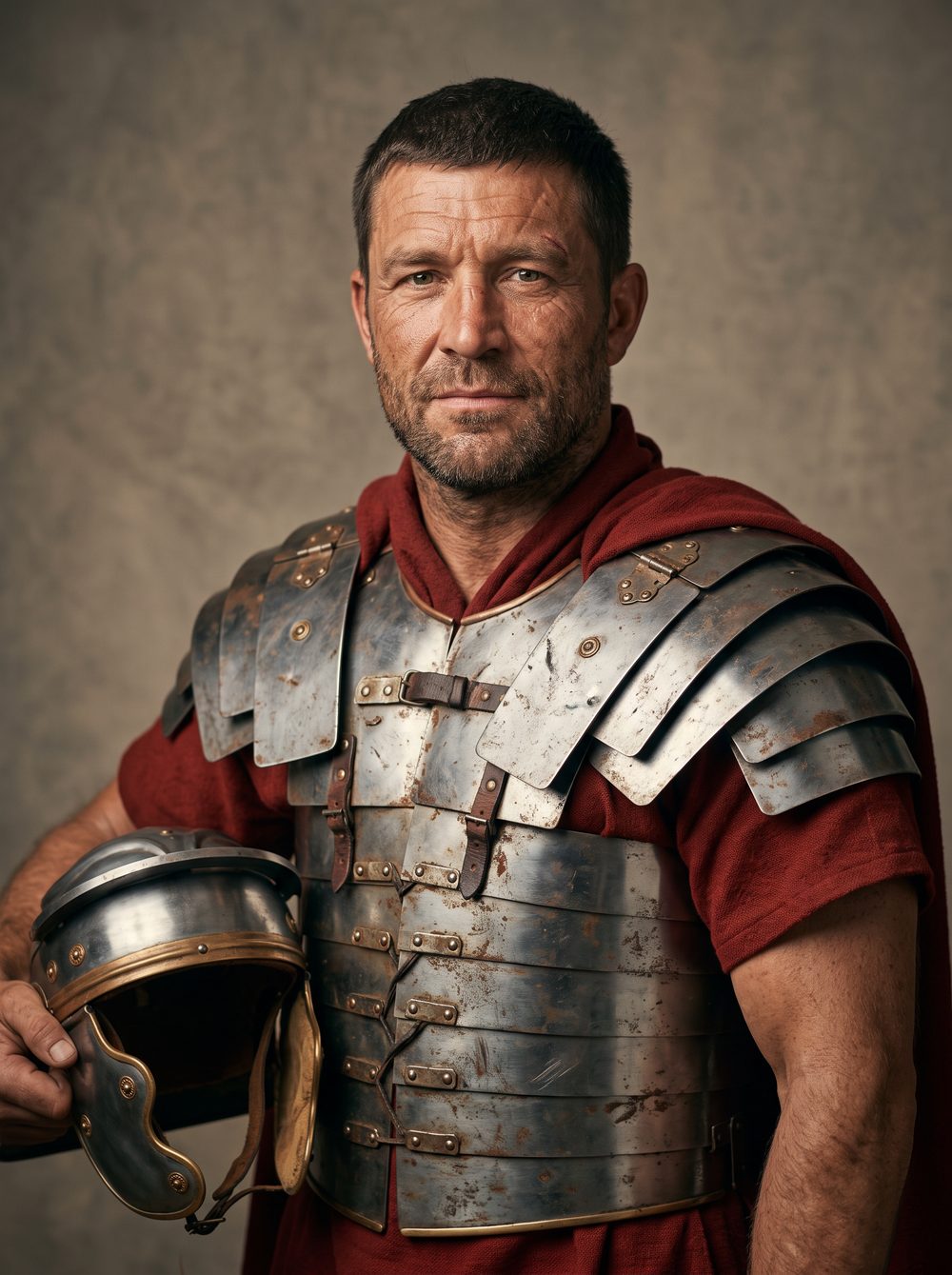
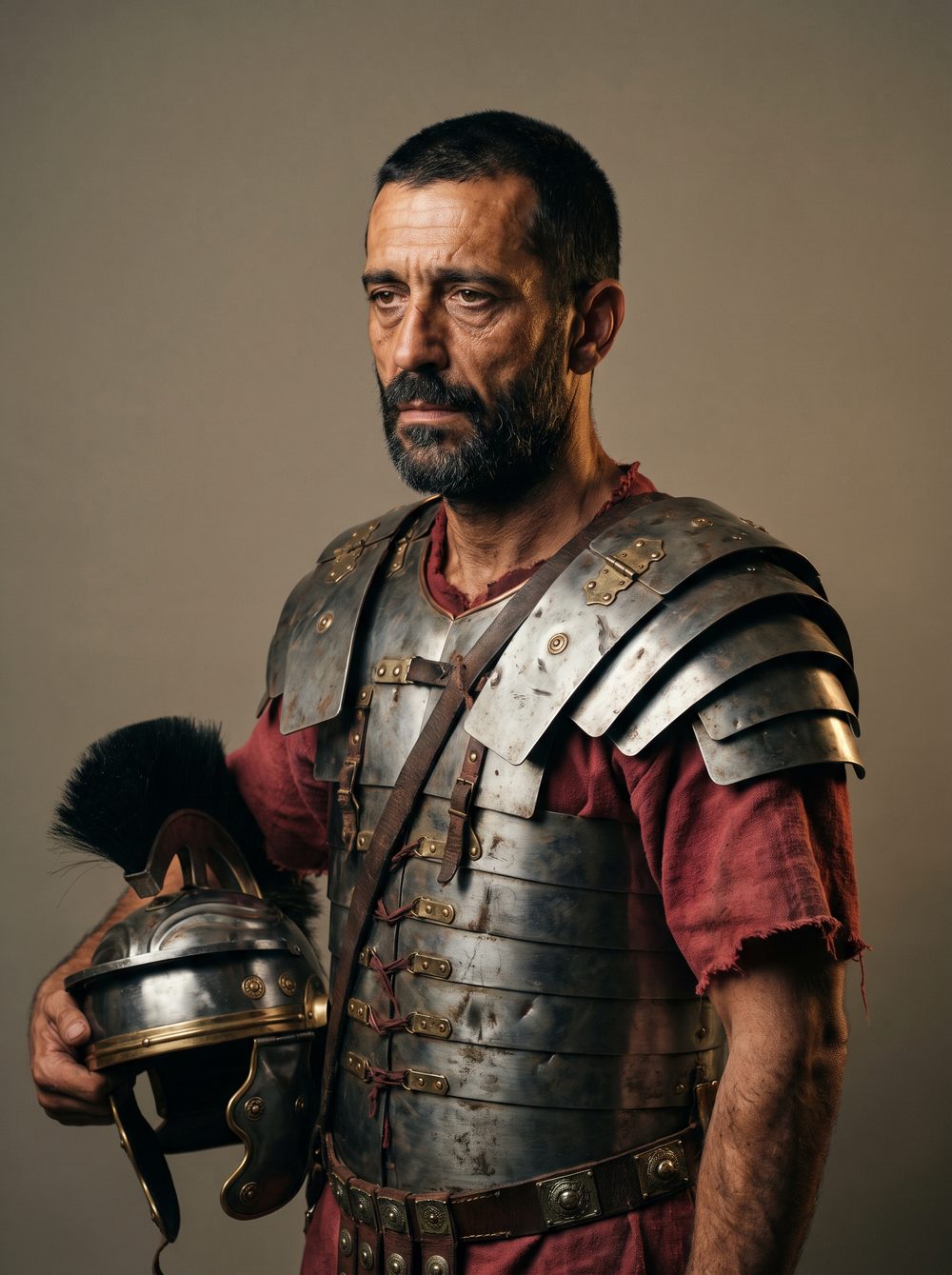
The soldier was offered as two men: the farmer (broad, sun-lined, kind under the hardness) and the haunted (leaner, gray at the temples, the war living in his eyes). The director took the farmer — the film's heart is the homecoming, and the man had to be believable behind a plow before a shield.

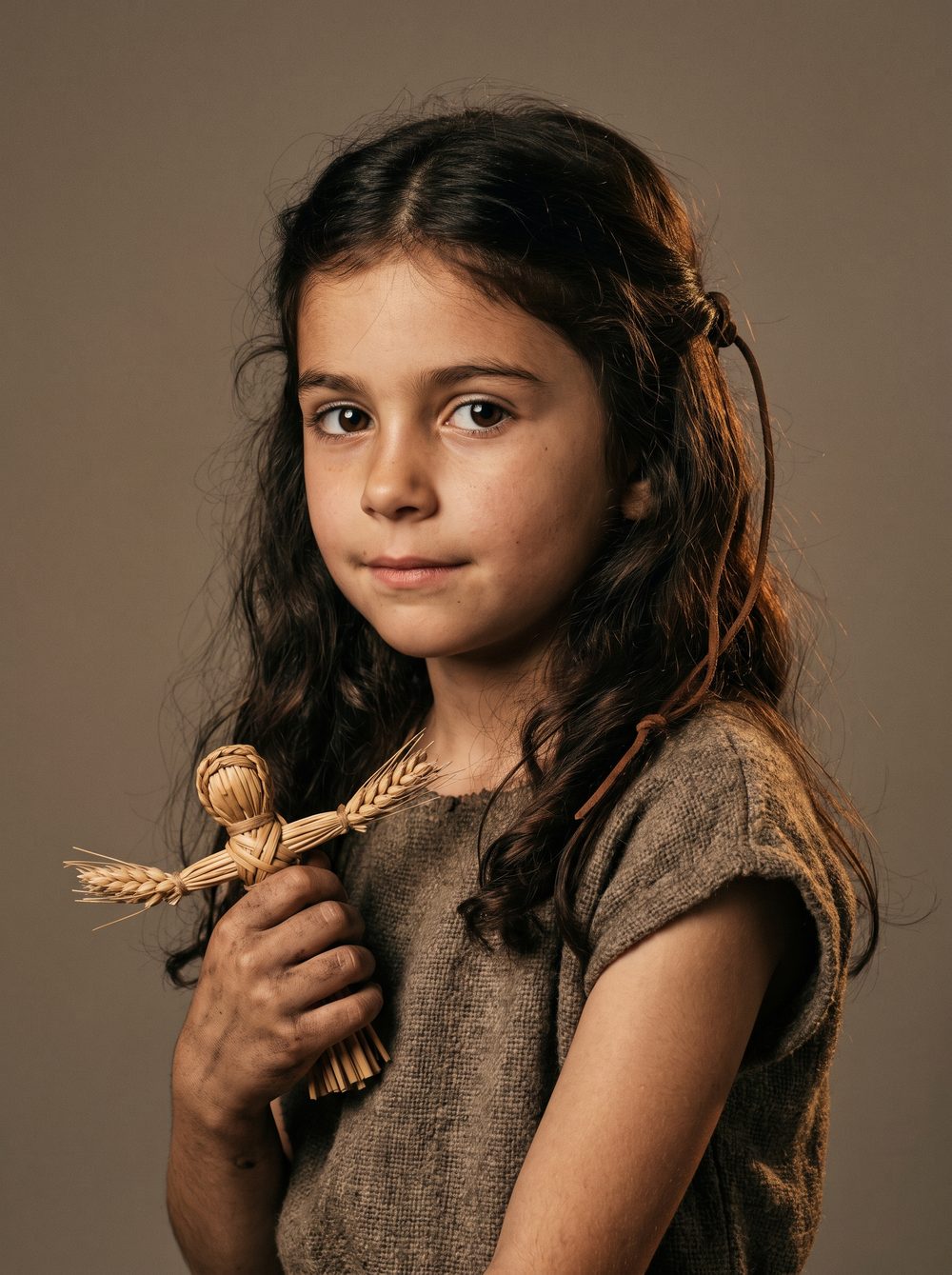
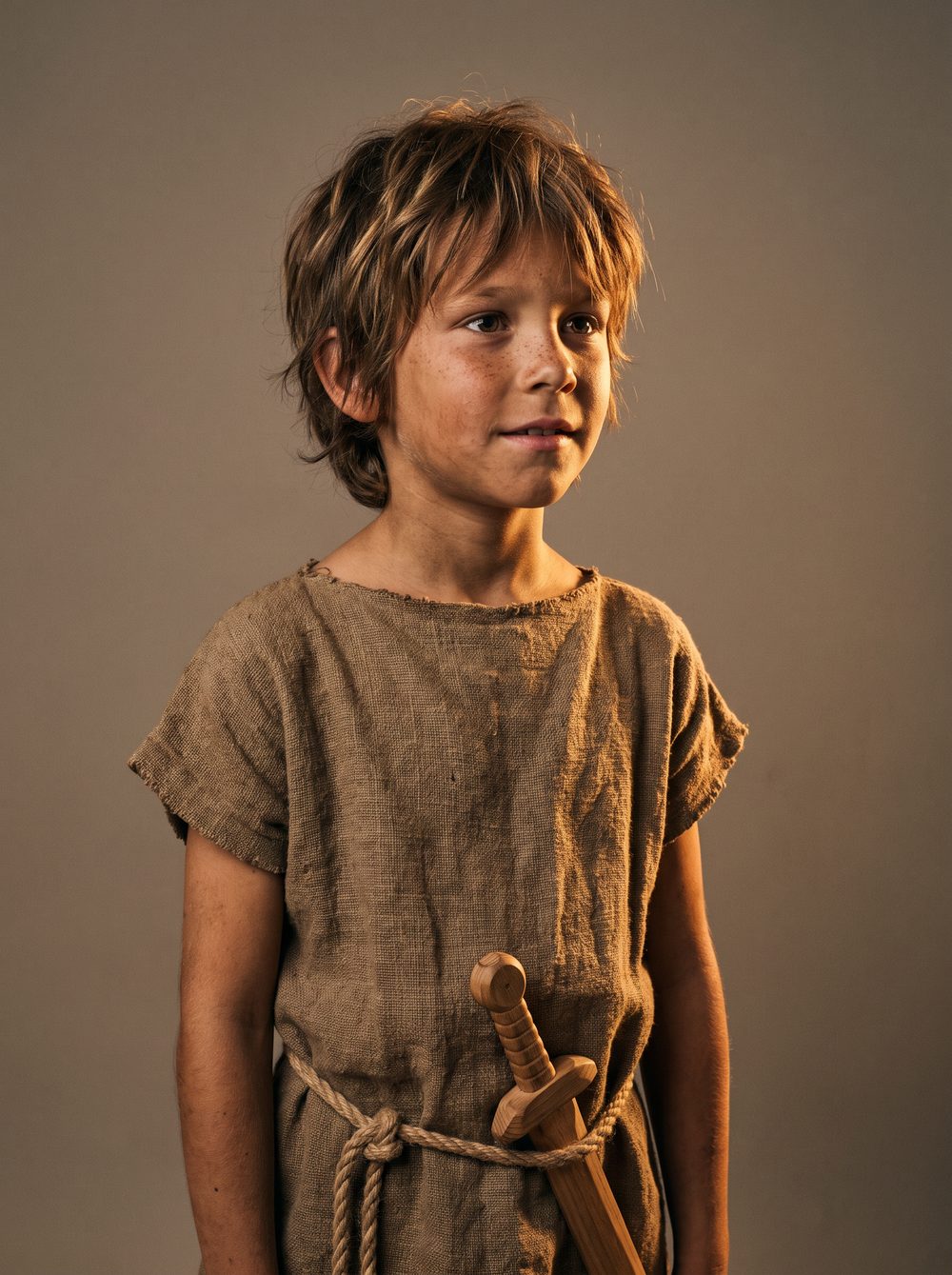
The child was offered as a boy with a toy sword and a girl holding a woven wheat-stalk doll the model invented on its own. The girl won — and the doll won with her: it became canon, then it became backstory. Sabina plaits one every harvest so the child would know her father's work in her hands. Aurelia tells it the day's news. It is why she watches the field.

All three faces are minted as reusable identity elements, so they hold across every composed scene — the same pipeline proven on this studio's first film.

“I like all of these. We gotta work on if we're gonna be romans or spartans though.”The tone round verdict — settled two frames later: Rome
Marcus Varro casting card.
Marcus Varro. Direction A — the farmer.
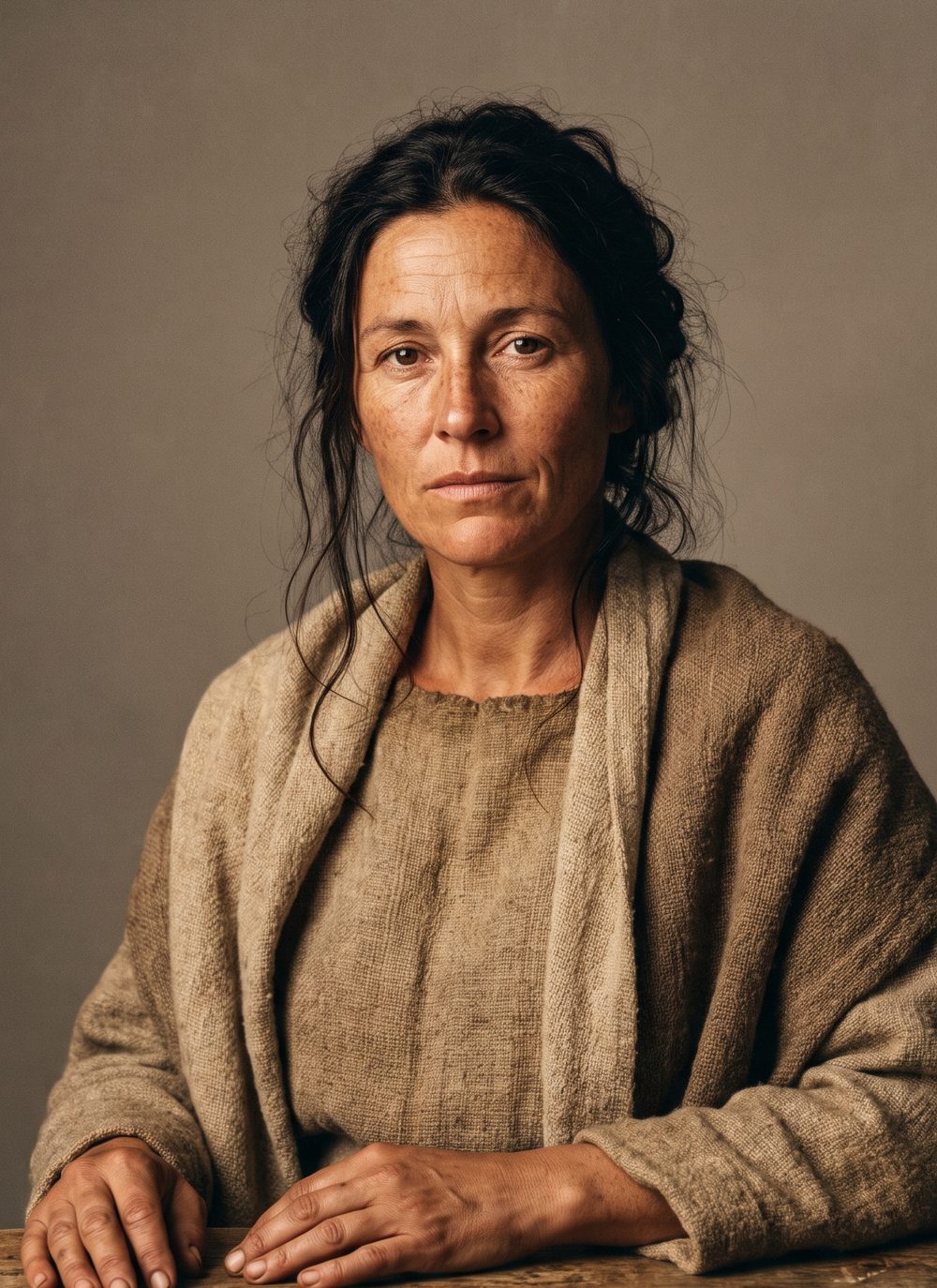
Sabina Varro casting card.
Sabina Varro. Years of waiting without breaking.
Aurelia casting card with wheat doll.
Aurelia. The doll is "him."
The rejected haunted soldier card.
CutThe haunted read.
The rejected boy card.
CutThe boy, toy sword and all.
06 · Production log

The one-day restart

Still to shoot

Everything — by design. The family pipeline test (all three in one frame), the storyboard plates, and the draft cut against the track, all queued for the studio's unlimited render day alongside its sister film. Stills first, motion second, the director's pen between every step.